FB-TW

Showing posts with label American Heart Association. Show all posts

Monday, December 9, 2013

Ask This Question Before Taking Statins - Penberthy

This article may be reprinted free of charge provided 1) that there is clear attribution to the Orthomolecular Medicine News Service, and 2) that both the OMNS free subscription link http://orthomolecular.org/subscribe.html and also the OMNS archive link http://orthomolecular.org/resources/omns/index.shtml are included.
FOR IMMEDIATE RELEASE
Orthomolecular Medicine News Service, December 3, 2013

Ask This Question Before Taking Statins

Commentary by W. Todd Penberthy, PhD

(OMNS Dec 3, 2013) Before taking statins, ask yourself one question. Why is it, given two people with identical environmental backgrounds, that on average one of them dies early due to cardiovascular disease? Is it because that individual has taken less statin drugs? Of course not. It is likely due to something different in their genetics, which causes differences in enzymes and levels of other proteins. This leads to differing requirements for essential vitamins and minerals.
Cardiovascular disease is largely caused by deficiencies of essential nutrients. Thus adjusting the diet makes sense. When your car breaks down, do you have the repair shop install a gadget not in the car's parts list? Of course not. We clean, tighten, remanufacture, or replace the correct part. Similarly, the body needs maintenance and some tender loving care. Statins are not one of our parts. Essential nutrients are what we need.
The reason people die of cardiovascular disease usually begins with inflammation and progressive calcification, not cholesterol levels. The correlations between inflammation, calcification and death by cardiovascular disease (CVD) are much stronger than for correlations between cholesterol levels and death by CVD (Bolland et al, 2008).
Following the guidelines of the American Heart Association (AHA) may be useful for liability and good business, but is not always useful for maintaining optimal health. To understand what's going on inside of the body, just take a look at the images of vascular calcification. In response to inflammation in arteries, plaques form. At the center of an arterial plaque sits a hard calcification that contains calcium carbonate. Around this calcified nucleus, the plaque develops with fat deposits and a fibrous cap. In many cases the plaque can be reversed with excellent nutrition.
Considering the media attention given to statins, it's quite remarkable to learn that they only reduce the risk of mortality from CVD by less than 1 percent. In contrast, in clinical trials involving over 8,000 patients over 6 years, high dose niacin (3,000 mg daily) reduced mortality by 11%. And this lowered risk was tabulated 15 years after the clinical trial ended! (Canner et al., 1986) That represents a huge improvement over treatment with statins. Recent advances in molecular biology explain how this works. Niacin's amazing sustained effect is likely due to its effect on regulating sirtuin proteins that cause long lasting epigenetic changes in the structure of DNA. This type of epigenetic modulation is known to have long-lasting effects. The nutrition you get in early childhood, or even that your parents got before you were born, can affect your genes over a long period. The data from this study implies that 3,000 mg of niacin is far superior to statins for preventing CVD death. And it only costs about 35 cents per day.
Anyone who has the risk factors for death from CVD would be well advised to consider taking up to three 1,000 mg daily doses (or, for less flushing, 12 doses of 250 mg) of regular "fast-release" niacin (Hoffer et al, 2012). It would also be wise to add 100 mg of the MK7 form of vitamin K2 and 1,000 mg flax seed oil with every dose of niacin. These nutrients reduce flushing and provide anti-inflammatory benefits. For a healthy heart, include 3,000-10,000 mg of vitamin C (Roberts and Hickey, 2011), 400-1200 IU natural vitamin E, and five cups of kale mixed with colorful vegetables and a bit of grass fed butter every day. Further, to remove calcifications, it may help to daily take two 200-400 mg doses of magnesium (citrate, chelate, malate, or chloride). This can help to dissolve the calcium deposits in arteries (Dean, 2007). None of these essential nutrients requires any prescription, and together they have tremendous advantages for health compared to a statin pill.
(Dr. Todd Penberthy is a research consultant, medical writer and one of the world's prominent niacin researchers. A list of his recent papers is posted at http://www.cmescribe.com/resume/ )

References:

Bolland, M.J., Barber, P.A., Doughty, R.N., Mason, B., Horne, A., Ames, R., Gamble, G.D., Grey, A., and Reid, I.R. Vascular events in healthy older women receiving calcium supplementation: randomised controlled trial. Bmj; 2008. 336(7638): 262-266.
Canner, P.L., Berge, K.G., Wenger, N.K., Stamler, J., Friedman, L., Prineas, R.J., and Friedewald, W. Fifteen year mortality in Coronary Drug Project patients: long-term benefit with niacin. J Am Coll Cardiol; 1986. 8(6): 1245-1255.
Dean, C. The Magnesium Miracle. New York, NY: Ballantine, 2007.
Hoffer A, Saul AW, Foster HD. Niacin: The Real Story. Basic Health Publications, 2012.
Roberts H, Hickey S. The Vitamin Cure for Heart Disease: How to Prevent and Treat Heart Disease Using Nutrition and Vitamin Supplementation. Basic Health Publications, 2011.

Nutritional Medicine is Orthomolecular Medicine

Orthomolecular medicine uses safe, effective nutritional therapy to fight illness. For more information: http://www.orthomolecular.org

Find a Doctor

To locate an orthomolecular physician near you: http://orthomolecular.org/resources/omns/v06n09.shtml

The peer-reviewed Orthomolecular Medicine News Service is a non-profit and non-commercial informational resource.

Editorial Review Board:

Ian Brighthope, M.D. (Australia)
Ralph K. Campbell, M.D. (USA)
Carolyn Dean, M.D., N.D. (USA)
Damien Downing, M.D. (United Kingdom)
Dean Elledge, D.D.S., M.S. (USA)
Michael Ellis, M.D. (Australia)
Martin P. Gallagher, M.D., D.C. (USA)
Michael Gonzalez, D.Sc., Ph.D. (Puerto Rico)
William B. Grant, Ph.D. (USA)
Steve Hickey, Ph.D. (United Kingdom)
Michael Janson, M.D. (USA)
Robert E. Jenkins, D.C. (USA)
Bo H. Jonsson, M.D., Ph.D. (Sweden)
Peter H. Lauda, M.D. (Austria)
Thomas Levy, M.D., J.D. (USA)
Stuart Lindsey, Pharm.D. (USA)
Jorge R. Miranda-Massari, Pharm.D. (Puerto Rico)
Karin Munsterhjelm-Ahumada, M.D. (Finland)
Erik Paterson, M.D. (Canada)
W. Todd Penberthy, Ph.D. (USA)
Gert E. Schuitemaker, Ph.D. (Netherlands)
Robert G. Smith, Ph.D. (USA)
Jagan Nathan Vamanan, M.D. (India)
Atsuo Yanagisawa, M.D., Ph.D. (Japan)
Andrew W. Saul, Ph.D. (USA), Editor and contact person. Email: omns@orthomolecular.org This is a comments-only address; OMNS is unable to respond to individual reader emails. However, readers are encouraged to write in with their viewpoints. Reader comments become the property of OMNS and may or may not be used for publication.

To Unsubscribe from this list: http://www.orthomolecular.org/unsubscribe.html
This news release was sent to bill@wmodavis.com. If you no longer wish to receive news releases, please reply to this message with "Unsubscribe" in the subject line or simply click on the following link: unsubscribe
This article may be reprinted free of charge provided 1) that there is clear attribution to the Orthomolecular Medicine News Service, and 2) that both the OMNS free subscription link http://orthomolecular.org/subscribe.html and also the OMNS archive link http://orthomolecular.org/resources/omns/index.shtml are included.
Orthomolecular.org | 3100 N. Hillside Ave | Wichita, KS 67219 | USA

Saturday, August 11, 2012

  • AHA Scientific Statement
  • Triglycerides and Cardiovascular Disease

    A Scientific Statement From the American Heart Association


    1. Introduction

    A long-standing association exists between elevated triglyceride levels and cardiovascular disease* (CVD).1,2 However, the extent to which triglycerides directly promote CVD or represent a biomarker of risk has been debated for 3 decades.3 To this end, 2 National Institutes of Health consensus conferences evaluated the evidentiary role of triglycerides in cardiovascular risk assessment and provided therapeutic recommendations for hypertriglyceridemic states.4,5 Since 1993, additional insights have been made vis-à-vis the atherogenicity of triglyceride-rich lipoproteins (TRLs; ie, chylomicrons and very low-density lipoproteins), genetic and metabolic regulators of triglyceride metabolism, and classification and treatment of hypertriglyceridemia. It is especially disconcerting that in the United States, mean triglyceride levels have risen since 1976, in concert with the growing epidemic of obesity, insulin resistance (IR), and type 2 diabetes mellitus (T2DM).6,7 In contrast, mean low-density lipoprotein cholesterol (LDL-C) levels have receded.7 Therefore, the purpose of this scientific statement is to update clinicians on the increasingly crucial role of triglycerides in the evaluation and management of CVD risk and highlight approaches aimed at minimizing the adverse public health–related consequences associated with hypertriglyceridemic states. This statement will complement recent American Heart Association scientific statements on childhood and adolescent obesity8 and dietary sugar intake9 by emphasizing effective lifestyle strategies designed to lower triglyceride levels and improve overall cardiometabolic health. It is not intended to serve as a specific guideline but will be of value to the Adult Treatment Panel IV (ATP IV) of the National Cholesterol Education Program, from which evidence-based guidelines will ensue. Topics to be addressed include epidemiology and CVD risk, ethnic and racial differences, metabolic determinants, genetic and family determinants, risk factor correlates, and effects related to nutrition, physical activity, and lipid medications.

    =============================================================
    Read the full article here.

    Thursday, March 8, 2012

    Heart Surgeon Speaks Out On What Really Causes Heart Disease

    I am of the strong opinion that heart disease causes and credible treatments are not "settled science". There is lots of press coverage, ongoing research, clinical practices, opinions and evidence pointing in all different directions.

    That being said I present this post, as well as most of my other posts, to help show that and to counteract the MSM view as being indisputable. I have not come to the opinion that heart disease is entirely caused by one thing or the other including inflammation. It is, as I said, NOT a 'settled science'.

    I do think that a lot of what Dr . Lundell proposes is right on. I would of all people wish for a simple, easy and effective solution to atherosclerotic plaques which in fact are the disease. Cholesterol is NOT the disease.

    So, read and research. It is still the best way, along with keeping an open mind, to know what really causes heart disease.
    ====================================================================
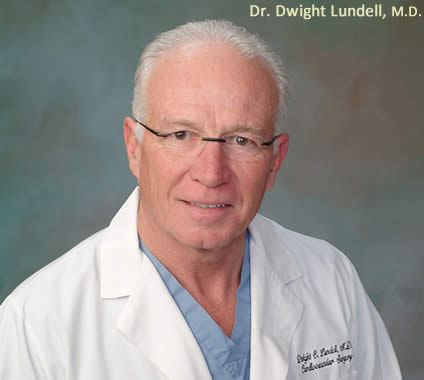
    HeartHeart Surgeon Dr. Dwight Lundell Speaks Out On What Really Causes Heart Disease
    Dr Lundell
    © n/a
    We physicians with all our training, knowledge and authority often acquire a rather large ego that tends to make it difficult to admit we are wrong. So, here it is. I freely admit to being wrong. As a heart surgeon with 25 years experience, having performed over 5,000 open-heart surgeries, today is my day to right the wrong with medical and scientific fact.

    I trained for many years with other prominent physicians labelled "opinion makers." Bombarded with scientific literature, continually attending education seminars, we opinion makers insisted heart disease resulted from the simple fact of elevated blood cholesterol.

    The only accepted therapy was prescribing medications to lower cholesterol and a diet that severely restricted fat intake. The latter of course we insisted would lower cholesterol and heart disease. Deviations from these recommendations were considered heresy and could quite possibly result in malpractice.

    It Is Not Working!
    These recommendations are no longer scientifically or morally defensible. The discovery a few years ago that inflammation in the artery wall is the real cause of heart disease is slowly leading to a paradigm shift in how heart disease and other chronic ailments will be treated.

    The long-established dietary recommendations have created epidemics of obesity and diabetes, the consequences of which dwarf any historical plague in terms of mortality, human suffering and dire economic consequences.

    Despite the fact that 25% of the population takes expensive statin medications and despite the fact we have reduced the fat content of our diets, more Americans will die this year of heart disease than ever before.

    Statistics from the American Heart Association show that 75 million Americans currently suffer from heart disease, 20 million have diabetes and 57 million have pre-diabetes. These disorders are affecting younger and younger people in greater numbers every year.

    Simply stated, without inflammation being present in the body, there is no way that cholesterol would accumulate in the wall of the blood vessel and cause heart disease and strokes. Without inflammation, cholesterol would move freely throughout the body as nature intended. It is inflammation that causes cholesterol to become trapped.

    Inflammation is not complicated -- it is quite simply your body's natural defence to a foreign invader such as a bacteria, toxin or virus. The cycle of inflammation is perfect in how it protects your body from these bacterial and viral invaders. However, if we chronically expose the body to injury by toxins or foods the human body was never designed to process,a condition occurs called chronic inflammation. Chronic inflammation is just as harmful as acute inflammation is beneficial.

    What thoughtful person would willfully expose himself repeatedly to foods or other substances that are known to cause injury to the body? Well, smokers perhaps, but at least they made that choice willfully.

    The rest of us have simply followed the recommended mainstream diet that is low in fat and high in polyunsaturated fats and carbohydrates, not knowing we were causing repeated injury to our blood vessels. This repeated injury creates chronic inflammation leading to heart disease, stroke, diabetes and obesity.

    Let me repeat that: The injury and inflammation in our blood vessels is caused by the low fat diet recommended for years by mainstream medicine.

    What are the biggest culprits of chronic inflammation? Quite simply, they are the overload of simple, highly processed carbohydrates (sugar, flour and all the products made from them) and the excess consumption of omega-6 vegetable oils like soybean, corn and sunflower that are found in many processed foods.

    Take a moment to visualize rubbing a stiff brush repeatedly over soft skin until it becomes quite red and nearly bleeding. you kept this up several times a day, every day for five years. If you could tolerate this painful brushing, you would have a bleeding, swollen infected area that became worse with each repeated injury. This is a good way to visualize the inflammatory process that could be going on in your body right now.

    Regardless of where the inflammatory process occurs, externally or internally, it is the same. I have peered inside thousands upon thousands of arteries. A diseased artery looks as if someone took a brush and scrubbed repeatedly against its wall. Several times a day, every day, the foods we eat create small injuries compounding into more injuries, causing the body to respond continuously and appropriately with inflammation.

    While we savor the tantalizing taste of a sweet roll, our bodies respond alarmingly as if a foreign invader arrived declaring war. Foods loaded with sugars and simple carbohydrates, or processed with omega-6 oils for long shelf life have been the mainstay of the American diet for six decades. These foods have been slowly poisoning everyone.

    How does eating a simple sweet roll create a cascade of inflammation to make you sick?

    Imagine spilling syrup on your keyboard and you have a visual of what occurs inside the cell. When we consume simple carbohydrates such as sugar, blood sugar rises rapidly. In response, your pancreas secretes insulin whose primary purpose is to drive sugar into each cell where it is stored for energy. If the cell is full and does not need glucose, it is rejected to avoid extra sugar gumming up the works.

    When your full cells reject the extra glucose, blood sugar rises producing more insulin and the glucose converts to stored fat.

    What does all this have to do with inflammation? Blood sugar is controlled in a very narrow range. Extra sugar molecules attach to a variety of proteins that in turn injure the blood vessel wall. This repeated injury to the blood vessel wall sets off inflammation. When you spike your blood sugar level several times a day, every day, it is exactly like taking sandpaper to the inside of your delicate blood vessels.

    While you may not be able to see it, rest assured it is there. I saw it in over 5,000 surgical patients spanning 25 years who all shared one common denominator -- inflammation in their arteries.

    Let's get back to the sweet roll. That innocent looking goody not only contains sugars, it is baked in one of many omega-6 oils such as soybean. Chips and fries are soaked in soybean oil; processed foods are manufactured with omega-6 oils for longer shelf life. While omega-6's are essential -they are part of every cell membrane controlling what goes in and out of the cell -- they must be in the correct balance with omega-3's.

    If the balance shifts by consuming excessive omega-6, the cell membrane produces chemicals called cytokines that directly cause inflammation.

    Today's mainstream American diet has produced an extreme imbalance of these two fats. The ratio of imbalance ranges from 15:1 to as high as 30:1 in favor of omega-6. That's a tremendous amount of cytokines causing inflammation. In today's food environment, a 3:1 ratio would be optimal and healthy.

    To make matters worse, the excess weight you are carrying from eating these foods creates overloaded fat cells that pour out large quantities of pro-inflammatory chemicals that add to the injury caused by having high blood sugar. The process that began with a sweet roll turns into a vicious cycle over time that creates heart disease, high blood pressure, diabetes and finally, Alzheimer's disease, as the inflammatory process continues unabated.

    There is no escaping the fact that the more we consume prepared and processed foods, the more we trip the inflammation switch little by little each day. The human body cannot process, nor was it designed to consume, foods packed with sugars and soaked in omega-6 oils.

    There is but one answer to quieting inflammation, and that is returning to foods closer to their natural state. To build muscle, eat more protein. Choose carbohydrates that are very complex such as colorful fruits and vegetables. Cut down on or eliminate inflammation- causing omega-6 fats like corn and soybean oil and the processed foods that are made from them.

    One tablespoon of corn oil contains 7,280 mg of omega-6; soybean contains 6,940 mg. Instead, use olive oil or butter from grass-fed beef.

    Animal fats contain less than 20% omega-6 and are much less likely to cause inflammation than the supposedly healthy oils labelled polyunsaturated. Forget the "science" that has been drummed into your head for decades. The science that saturated fat alone causes heart disease is non-existent. The science that saturated fat raises blood cholesterol is also very weak. Since we now know that cholesterol is not the cause of heart disease, the concern about saturated fat is even more absurd today.

    The cholesterol theory led to the no-fat, low-fat recommendations that in turn created the very foods now causing an epidemic of inflammation. Mainstream medicine made a terrible mistake when it advised people to avoid saturated fat in favor of foods high in omega-6 fats. We now have an epidemic of arterial inflammation leading to heart disease and other silent killers.

    What you can do is choose whole foods your grandmother served and not those your mom turned to as grocery store aisles filled with manufactured foods. By eliminating inflammatory foods and adding essential nutrients from fresh unprocessed food, you will reverse years of damage in your arteries and throughout your body from consuming the typical American diet.
    ======================================================================
    http://www.sott.net/articles/show/242516-Heart-Surgeon-Speaks-Out-On-What-Really-Causes-Heart-Disease

    Friday, April 1, 2011

    Magnesium

    Written By:  William Davis, MD       

    February is Heart Health Month and heart health expert and cardiologist Dr. William Davis, M.D., talks about the importance of lowering high cholesterol naturally and reducing your chances of coronary heart disease with the use of magnesium and other nutritional strategies.

    Tired of the media onslaught promoting statin drugs? What happened to the conversation about nutritional strategies that reduce cholesterol? Since February is Heart Health Month, now is a great time to highlight the importance of magnesium for the reduction of high cholesterol.

    There are a number of ways to significantly reduce cholesterol using diet and nutritional supplements. Reductions in bad cholesterol, or LDL cholesterol, of 25, 30, 50, even 100 mg/dl are possible—if you have the right information.

    At the top of the list of natural strategies to reduce LDL and supplement and/or sometimes replace your need for prescription medication (in consultation with your doctor) is magnesium.
    Magnesium can act like a natural statin drug and lower bad cholesterol (LDL), reduce triglycerides and increase good cholesterol (HDL) (1).

    In order for the body to make cholesterol, it requires a specific enzyme called HMG-CoA reductase. Magnesium regulates this enzyme so as to maintain only a proper amount of cholesterol in the body. When the body is magnesium deficient, cholesterol continues to be produced in excess, which can cause a cholesterol buildup and may lead to coronary heart disease.

    The HMG-CoA reductase enzyme is the exact same enzyme that is targeted and inhibited by statin drugs. The inhibiting process is similar to magnesium's function, except that magnesium is the natural way that the body has evolved to use to control and limit cholesterol when it reaches a certain level; statin drugs are used to destroy the entire mechanism.

    The term metabolic syndrome describes a set of conditions that many believe may be another name for the consequences of long-term magnesium deficiency. The list includes high cholesterol, hypertension and elevated triglycerides that lead to and promote coronary heart disease, stroke and type-2 diabetes. In a 2006 study (2) published in the American Heart Association's journal Circulation, entitled: Magnesium Intake and Incidence of Metabolic Syndrome Among Young Adults researchers concluded: “Our findings suggest that young adults with higher magnesium intake have lower risk of development of metabolic syndrome.”

    In an age when statins dominate conventional heart disease prevention, an important role remains for nutritional approaches. Because statin drugs are principally LDL-reducing agents and do not address other causes of heart disease, nutritional strategies add a real advantage. Nutritional approaches can be used to minimize and sometimes eliminate the use of statin drugs altogether. Perhaps it would be better to regard statin therapy as a solution only when natural, nutritional means have been exhausted.

    The adherence to a healthy diet is not enough in the majority of cases. The American Heart Association’s diet, for instance, yields a 7% drop in cholesterol. That’s too small to make any real difference (3) and, by itself, virtually guarantees a future of heart disease. The formerly popular ultra low-fat diets (≤10% of calories from fat) yield variable drops in cholesterol, but HDL or the good cholesterol is also substantially reduced and harmful triglycerides increased (4). The net effect can be increased risk of heart disease and diabetes.

    The restriction of processed carbohydrates is an effective way to lose weight and thereby reduce cholesterol, particularly for people starting with lower HDL and higher triglycerides. Reducing intake of flour products (pasta, breads, bagels, pastries, cookies, cakes, pretzels, and other processed foods) may, in fact, yield larger drops in cholesterol than now outdated low-fat diets (5).
    While dietary restriction of total fat intake has only limited power to reduce cholesterol, avoidance of saturated fat (e.g., in butter, greasy meats, cured meats, fried foods) and hydrogenated fat (“trans fats” in margarine, shortening, and many processed foods) remains a well-proven means of reducing LDL cholesterol modestly. Replacing saturated fat sources with healthy monounsaturated oils (olive, canola, flaxseed) provides even greater benefits for cholesterol reduction, as well as reduced triglycerides and VLDL (6, CM Williams, et al., 1999).

    Weight loss (if you’re overweight) has broad effects on risk reduction: reduction of cholesterol levels (total and LDL), increased HDL, reduced triglycerides, and correction of small LDL, VLDL, and abnormal postprandial (after-eating) fat clearance (7).

    Magnesium can help. Magnesium helps the body digest, absorb, and utilize proteins, fats, and carbohydrates and helps prevent obesity genes from expressing themselves.

    As a practical solution, supplementation at a level of 2.3 milligrams of magnesium per pound of body weight per day (this comes to about 345 milligrams per day for a 150 lb individual) can really help. When supplementing with magnesium, start on a gradient of a low dose and gradually build up. If you get diarrhea you can lower the dose back down until you are at a comfortable level. While magnesium supplementation is generally quite safe, people on certain antibiotics should not take magnesium. If you have kidney disease (renal failure) or any kidney disorders, you should not take any magnesium supplements without consulting a physician.

    In all practicality, because of magnesium’s crucial role in health, its widespread deficiency in Americans, and the growing depletion of magnesium in water and foods, supplemental magnesium is necessary for nearly everyone to ensure healthy levels. Not all forms of magnesium are equally absorbed by the body. One of the most absorbable forms of nutritional magnesium is magnesium citrate in powder form. Start out slow and build up to and find your body's tolerance level.

    For most people, no single supplement or diet change will reduce LDL to your target. A combination of several strategies usually yields the large drops that we need to achieve dramatic LDL reduction, but nutritional magnesium and the above diet adjustments will help.

    Heart health expert and cardiologist, William Davis, M.D., is the author  of "Track Your Plaque: The only heart disease prevention program that  shows how the new CT heart scans can be used to detect, track, and  control coronary plaque" (www.trackyourplaque.com). Dr. Davis is a  member of the Nutritional Magnesium Association and invites you to get  more information that will help you avoid the magnesium deficiency. Go  to www.nutritionalmagnesium.org.

    The ideas, procedures and suggestions contained in this article are not intended as a substitute for consulting with your physician. All matters regarding your physical health require medical supervision. Neither the author nor the publisher shall be liable or responsible for any loss, injury or damage allegedly arising from any information or suggestion in this article. The opinions expressed in this article represent the personal views of the author and not the publisher.
    References
    1. Rosanoff A, Seelig MS, “Comparison of mechanism and functional effects of magnesium and statin pharmaceuticals.” J Am Coll Nutr 2004;23(5):501S-505S.
    2. Ka He, MD, ScD; Kiang Liu, PhD; Martha L. Daviglus, MD, PhD et al. Magnesium Intake and Incidence of Metabolic Syndrome Among Young Adults. Circulation 2006;113:1675-1682.
    3. Pearson TA, Blair SN, Daniels SR, Eckel RH, Fair JM, Fortmann SP, et al. AHA guidelines for primary prevention of cardiovascular disease and stroke: 2002 update. Consensus panel guide to comprehensive risk reduction for adult patients without coronary or other atherosclerotic vascular diseases. Circulation 2002;106:388–91.
    4. Krauss RM, Dreon DM. Low-density lipoprotein subclasses and response to a low-fat diet in healthy men. Am J. Clin Nutr 1995: 62:478S–87S.
    5. Krauss RM, Blanche PJ, Rawlings RS, Fernstrom HS, Williams PT. Separate effects of reduced carbohydrate intake and weight loss on atherogenic dyslipidemia. Am J Clin Nutr 2006 May;83(5):1025–31.
    6. Gulesserian T, Widhalm K. Effect of a rapeseed oil substituting diet on serum lipids and lipoproteins in children and adolescents with familial hypercholesterolemia. J Am Coll Nutr 2002 Apr;21(2):103–8.
    7. Miller WM, Nori-Janosz KE, Lillystone M, Yanez J, McCullough PA. Obesity and Lipids. Curr Cardiol Rep 2005 Nov;7(6):465–70.
    Published online, Feb. 2010, WholeFoods Magazine
    http://www.wholefoodsmagazineonline.com/

    Monday, March 28, 2011

    Coronary-Artery Calcium (CAC) imaging

    CAC screening improves CAD risk factors without increasing downstream costs: EISNER

    March 24, 2011 |                                 Michael O'Riordan
    Los Angeles, CA - New data from the Early Identification of Subclinical Atherosclerosis by Noninvasive Imaging Research (EISNER) study show that noninvasive imaging may actually lead to clinically meaningful improvements in coronary artery disease (CAD) risk factors in healthy individuals. Compared with individuals who did not undergo coronary-artery calcium (CAC) imaging, screening of subclinical atherosclerosis with CAC screening led to an improvement in systolic blood pressure, LDL-cholesterol levels, and a reduction in waist circumference as well as a trend toward greater weight loss among overweight individuals.
    The improvements occurred without a significant increase in downstream medical costs, suggesting that CAC screening can play a "gatekeeper" role in determining a need for further noninvasive testing, say investigators.
    "We wanted to find out how much impact the scan had on the way that patients take care of themselves, the way they think about changing their lifestyle and doing something about preventing heart disease," senior investigator Dr Daniel Berman (Cedars Sinai Medical Center, Los Angeles, CA) told heartwire. "There have been other studies suggesting an impact on how patients behave after seeing their scan, that as the amount of calcium on the scan went up, patients began to do more about changing their behavior. We noticed the same thing: patients who had a lot of calcium were more likely to do all the things that would prevent heart disease than patients who had less amounts of calcium. Also, the calcium-scoring group did more to change their lifestyle than the patients who did not undergo coronary scanning."
    Published online March 23, 2011 in the Journal of the American College of Cardiology with first author Dr Alan Rozanski (St Luke's Roosevelt Hospital, New York), the study included 2137 healthy volunteers randomized to undergo CAC scanning or no coronary-calcium screening. Individuals in the trial were middle-aged and had CAD risk factors but did not have a history of cardiovascular disease.

    Change in blood pressure and LDL cholesterol
    Of the seven measured risk factors, investigators observed improvements in systolic blood pressure, LDL cholesterol, and a reduction in waist circumference among those who underwent CAC screening.  There was no difference in serum glucose levels, exercise levels, or smoking status between the two treatment arms at four years. CAD risk, as assessed by the Framingham Risk Score (FRS), increased in the no-scan volunteers but remained stable among those who received the CAC scan.
    Individuals with higher amounts of calcium were patients who made the larger amount of change.
    "Individuals with higher amounts of calcium were patients who made the larger amount of change," said Berman.
    The incurred medical costs did not significantly differ between the two treatment arms, with procedure and medication costs totaling $3649 among those who did not undergo CAC screening and $4063 among those who did. The total incurred costs did differ by the amount of coronary calcium observed on the scan, however, with patients having a CAC score >400 significantly more likely to incur more procedural and medication costs than those with less coronary calcium. 
    "Overall, in the scanned group vs the no-scan group, the downstream testing costs were similar," Berman told heartwire. "Interestingly, when you look at patients without any coronary calcium, their downstream testing costs were low. Patients who had a lot of calcium, it would be more common for them to go on to additional testing."
    Change in clinical risk factors and all incurred medical costs

    ParameterNo CAC scan CAC scanp
    Systolic blood pressure (mm Hg)
    Baseline1301310.03
    Change from baseline -5-70.02
    LDL cholesterol (mg/dL)
    Baseline 1301330.15
    Change from baseline-11 -17 0.04
    Waist circumference (in)
    Baseline 41.041.30.19
    Change from baseline100.01
    All costs ($)364940630.09

    Incurred costs according to CAC score

    Medical costs CAC score 0CAC score 1-99CAC score 100-399CAC score >400p (trend)
    All costs ($)2623439449009309<0.001

    Overall, there was no significant difference in the number of performed procedures among patients who underwent CAC screening. There was a trend toward more lipid-lowering medications being prescribed among those randomized to CAC screening and a significant difference in the number of new blood-pressure-lowering medications prescribed.
    In a comparison between volunteers with no observable calcification on the CAC scan with those who did not undergo CAC screening, those with a CAC score of zero were significantly less likely to undergo any stress testing at four years as well as less likely to undergo cardiac catheterization and coronary revascularization. The low-CAC-score patients also incurred significantly less medical costs ($2623 among those with a CAC score of zero vs $3649 for those who did not undergo screening; p<0.001).
    The results of the EISNER analysis contrast with the results of a meta-analysis published online March 14, 2011 in the Archives of Internal Medicine. As reported by heartwire, Dr Daniel G Hackam (University of Western Ontario, London) and colleagues assessed seven relevant studies and found no significant changes in the use of drug therapies, exercise, dietary therapy, smoking cessation, or diagnostic coronary catheterization or revascularization based on the results of carotid ultrasound, CAC scans, or other noninvasive imaging techniques.
    To heartwire, Berman said that the EISNER data provide support for the recent American College of Cardiology Foundation (ACCF)/American Heart Association (AHA) class IIa recommendation for the use of computed tomography (CT) to measure coronary calcium. According to the ACCF/AHA, the use of CAC "is reasonable for cardiovascular risk assessment in asymptomatic adults at intermediate risk (10% to 20% 10-year risk)."
    Berman has research grants from Siemens and GE/Amersham and has both research grants from and is on the speaker's bureau of Astelles and Lantheus.

    Sources
    1. Rozanski A, Gransar H, Shaw LJ, et al. Impact of coronary artery calcium scanning on coronary risk factors and downstream testing. J Am Coll Cardiol 2011; DOI:10.1016/j.jacc.2011.01.019. Available at: http://content.onlinejacc.org.
    2. Hackam DG, Shojania KG, Spence JD, et al. Influence of noninvasive cardiovascular imaging in primary prevention: Systematic review and meta-analysis of randomized trials. Arch Intern Med 2011; DOI:10.1001/archinternmed.2011.69. Available at: http://archinte.ama-assn.org.

    Sunday, February 20, 2011

    Coronary Calcium Scoring

    Here are selected quotes from Dr. William R. Davis's Track Your Plaque site on CT heart scans.

    ==========================

    On July 17, 2006, the national experts of the Screening for Heart Attack Prevention and Education (SHAPE) Task Force released guidelines for heart disease detection in the American public.


    Why is that news? Aren’t there already guidelines in place for heart disease detection?


    Shockingly, there are not. There are guidelines for heart disease risk factor assessment, but no set of guidelines that incorporate measures of atherosclerosis itself—a crucial distinction.


    "We believe the time has come to replace the traditional, imprecise risk factor approach to individual risk assessment in primary prevention with an approach largely based on noninvasive screening for the disease itself…"
    The SHAPE Task Force Report
    American Journal of Cardiology, July 17, 2006
    .
    .
    .

    After years of political battling and resistance to CT scanning for coronary calcium scoring, the American Heart Association (AHA) has finally released a formal position paper acknowledging the ability of heart scans to predict heart attacks.
    "The majority of published studies have reported that the total amount of coronary calcium (usually expressed as the 'Agatston score') predicts coronary disease events beyond standard risk factors [emphasis ours]. . . These studies demonstrate that coronary artery calcified plaque is both independent of and incremental with respect to traditional risk factors in the prediction of cardiac events."

    In essence, the AHA finally agrees that CT heart scans provide information about risk for heart disease that is not revealed by conventional cholesterol testing or other risk predictors.
    .
    .
    .

    "The coronary calcium scan is quantitative. In other words, you get a specific and precise score that tells just how much plaque your have. Recall that, although calcium is being measured, calcium is simply a means to measure total plaque since it consistently occupies 20% of plaque volume."
    .
    .
    .
    "Many centers acquiring 64-slice devices are hospitals. Hospitals as a general rule are not interested in prevention. They are interested in generating more heart procedures like bypass surgery. Shockingly, even though the 64-slice scanners are able to obtain heart scan scores, many of these centers don’t really care about coronary calcium scoring. They only want the angiograms, since these often lead to costly procedures."
    .
    .
    .
    "While not all Track Your Plaque participants can expect zero growth or reduction in heart scan score, the information we provide stacks the odds as heavily as possible in your favor. And we are indeed seeing more and more people obtain plaque regression."
    .
    .
    .
    "The principal goal of the Track Your Plaque program is to keep coronary plaque from growing, even reduce the amount of plaque you have. We track the quantity of hidden plaque through your heart scan score. If after one year of effort your score increases >10%, then adjustments to your program should be considered by you and your doctor. Regardless of your starting score or percentile rank, a rate of plaque growth of more than 10% per year is a red flag for escalating risk. It should be taken seriously and a re-examination of your program is in order."
    ============================================

    I am personally working on this powerful technique for myself. I'm newly on board!


    ==============================================
    Here is a quote from Medical News Today about coronary artery calcium scoring.


    "In an article published in the January 14 edition of The Journal of the American Medical Association, researchers conclude that there is evidence that CT scans for calcium can play a significant role in predicting cardiac deaths and may assist physicians in making treatment decisions for the millions of people in the middle-range of coronary risk.

    The research study done at the South Bay Health Watch at the Research and Education Institute at Harbor-UCLA involved 1461 research volunteers in LA's south bay suburbs and was funded by the National Heart Lung and Blood Institute of the National Institutes of Health.

    The South Bay Heart Watch findings support and confirm the recommendations of the American Heart Association/American College of Cardiology Consensus Group that selected use of CT scanning can assist in evaluating risk and determining appropriate preventative therapy in these persons.

    Coronary artery calcium scans measure the amount of calcium buildup in the arteries of the heart. Calcium is one of many substances found in atherosclerotic plaques. The calcium score correlates with the amount and severity of blockages a person has."
    =========================================
    That was written in January 2004. Dr. William R. Davis has put this into practical use to prevent and treat CVD and heart attacks.

    Tuesday, January 25, 2011

    Cost of cardiovascular disease to triple by 2030

    Exerpts of an article from Prevention's The Heart.org. I do not know too much about Prevention' position on heart disease relative to mine (which should be quite obvious if you have read much of what I post here on Credible Evidence), but I thought there was some interesting observations made by Michael O'Riordan.

    Please avail yourself of the link to the full article and their site for further insite from their perspective.

    =========================================================


    Cost of cardiovascular disease to triple by 2030


    January 25, 2011
    Michael O'Riordan

    Dallas, TX - In the next 20 years, more than 40% of the US population is expected to have some form of cardiovascular disease, and this will triple the total direct medical costs of caring for hypertension, coronary heart disease, heart failure, stroke, and other forms of cardiovascular disease from the current $273 billion to more than $800 billion, according to a new policy statement from the American Heart Association (AHA) [1].

    In addition, the AHA estimates that the prevalence of cardiovascular disease will increase by approximately 10% over the next 20 years given no changes to prevention and treatment trends. If some risk factors, such as diabetes and obesity, continue to increase rapidly, cardiovascular disease prevalence and associated costs might increase even more, write Dr Paul Heidenreich (Veteran Affairs Palo Alto Health Care System, CA) and colleagues in the report, published online January 24, 2011 in Circulation.

    At present, cardiovascular disease is the leading cause of death in the US and accounts for 17% of overall healthcare expenditures. In the past, the medical costs of cardiovascular disease increased at an average annual rate of 6%, and this growth in costs has been associated with an increase in life expectancy. That said, there are "many opportunities to further improve cardiovascular health while controlling costs," according to the AHA.

    Cardiovascular disease is largely preventable (emphasis by Bill Davis)

    The latest 2030 prevalence estimates for hypertension, coronary heart disease, heart failure, and stroke are derived from the 1999-2006 National Health and Nutrition Examination Survey (NHANES) and Census Bureau population estimates for the years 2010 to 2030. Projections of the medical costs associated with cardiovascular disease used the 2001-2005 Medical Expenditure Panel Survey (MEPS) and did not double count expenditures resulting from individuals with multiple conditions.

    By 2030, the prevalence of cardiovascular disease is expected to increase 9.9%, with the prevalence of heart failure and stroke increasing approximately 25%. Total direct costs will increase to $818 billion by 2030, according to the AHA estimates, and the total indirect cost to the US in terms of lost productivity is close to $275 billion.
    .
    .
    .
    .
    .
    Offering up a glass-half-full take on the data, Heidenreich and colleagues write that it is "fortunate that cardiovascular disease is largely preventable,"(emphasis by Bill Davis) and the healthcare system needs to focus on prevention and early intervention.
    .
    .
    .


    Jan 25, 2011 15:30 EST Source

    1.Heidenreich PA, Trogdon JG, Khavjou OA, et al. Forecasting the future of cardiovascular disease in the United States. Circulation 2011; DOI:10.1161/CIR.0b013e31820a55f5. Available at: http://circ.ahajournals.org.