FB-TW

Showing posts with label rhabdomyolysis. Show all posts

Saturday, February 8, 2014

Statins, neuromuscular degenerative disease and an ALS-like syndrome

Statins, neuromuscular degenerative disease and an amyotrophic lateral sclerosis-like syndrome: an analysis of individual case safety reports from vigibase.

Abstract

BACKGROUND:

The WHO Foundation Collaborating Centre for International Drug Monitoring (Uppsala Monitoring Centre [UMC]) has received many individual case safety reports (ICSRs) associating HMG-CoA reductase inhibitor drug (statin) use with the occurrence of muscle damage, including rhabdomyolysis, and also peripheral neuropathy. A new signal has now appeared of disproportionally high reporting of upper motor neurone lesions.

AIM AND SCOPE:

The aim of this paper is to present the upper motor neurone lesion cases, with other evidence, as a signal of a relationship between statins and an amyotrophic lateral sclerosis (ALS)-like syndrome. The paper also presents some arguments for considering that a spectrum of severe neuromuscular damage may be associated with statin use, albeit rarely. The paper does not do more than raise the signal for further work and analysis of what must be regarded as a potentially very serious and perhaps avoidable or reversible adverse reaction, though it also suggests action to be taken if an ALS-like syndrome should occur in a patient using statins.

METHODS:

The 43 reports accounting for the disproportional reports in Vigibase (the database of the WHO Programme for International Drug Monitoring) are summarised and analysed for the diagnosis of an ALS-like syndrome. The issues of data quality and potential reporting bias are considered.

RESULTS:

'Upper motor neurone lesion' is a rare adverse event reported in relationship to drugs in Vigibase (a database containing nearly 4 million ICSRs). Of the total of 172 ICSRs on this reported term, 43 were related to statins, of which 40 were considered further: all but one case was reported as ALS. In 34/40 reports a statin was the sole reported suspected drug. The diagnostic criteria were variable, and seven of the statin cases also had features of peripheral neuropathy. Of a total of 5534 ICSRs of peripheral neuropathy related to any drug in Vigibase, 547 were on statins. The disproportional reporting of statins and upper motor neurone lesion persisted after age stratification, and such disproportionality was not seen for statins and Parkinson's disease, Alzheimer's disease, extrapyramidal disorders, or multiple sclerosis-like syndromes.

DISCUSSION:

Because the cases were sometimes atypical we propose the use of the term 'ALS-like syndrome' and speculate whether this is part of a spectrum of rare neuromuscular damage. The diagnosis of ALS is often problematic, and the insidiousness and chronicity of the disease make causality with a drug difficult to assess. The disproportionally high reporting makes this an important signal nevertheless, since ALS is serious clinically and statins are so widely used. Wide use of the statins also makes a chance finding more probable, but is unlikely to cause disproportional reporting when there are no obvious biases identified.

CONCLUSION:

We emphasise the rarity of this possible association, and also the need for further study to establish whether a causal relationship exists. We do advocate that trial discontinuation of a statin should be considered in patients with serious neuromuscular disease such as the ALS-like syndrome, given the poor prognosis and a possibility that progression of the disease may be halted or even reversed.
====================================================================
Read the complete article here.

Thursday, June 20, 2013

Antibiotics and Statins: A Deadly Combo? - Laino

Antibiotics and Statins: A Deadly Combo?

Prescribing clarithromycin or erythromycin to older patients taking the most commonly prescribed statins, which are metabolized by cytochrome P450 isoenzyme 3A4 (CYP3A4), raised the risk for statin toxicity, according to a population-based retrospective cohort study.

Clarithromycin and erythromycin, but not azithromycin, inhibit cytochrome CYP3A4, and that inhibition increases blood concentrations of statins that are metabolized by CYP3A4 to potentially dangerous levels, Amit M. Patel, MD, of the London Health Sciences Center in Ontario, and colleagues reported online in the Annals of Internal Medicine.

Compared with azithromycin, co-prescription of atorvastatin, simvastatin, or lovastatin with clarithromycin or erythromycin was associated with a 0.02% increase in the absolute risk of hospitalization with rhabdomyolysis within 30 days (95% CI 0.01%-0.03%). That translates to a relative risk increase of 2.17 (95% CI, 1.04-4.53).
Risks were also increased for:
  • Acute kidney injury -- absolute risk increase, 1.26% (95% CI 0.58%-1.95%); RR 1.78 (95% CI 1.49-2.14)
  • All-cause mortality -- absolute risk increase, 0.25% (95% CI 0.17%-0.33%); RR 1.56 (95% CI 1.36-1.80)

"Statins are the No. 1 class of drugs prescribed in North America," co-author Amit Garg, MD, PhD, also from the London Health Sciences Center, said in a statement.

Coprescription of a statin with a macrolide antibiotic is very common. Until now, the clinical and population-based consequences of this potential drug-drug interaction were unknown, he said.
While the absolute risk increase is relatively small, "given the frequency at which statins are prescribed and the high rate of coprescription seen in our study and in other jurisdictions, this preventable drug-drug interaction remains clinically important. The results suggest many deaths and hospitalizations due to acute kidney injury in Ontario may have been attributable to this interaction, the researchers wrote.

For the study, the researchers examined the frequency of statin toxicity in continuous statin users older than 65 years who were prescribed clarithromycin (n=72,591) or erythromycin (n=3,267), compared with azithromycin (n=68,478) in Ontario from 2003 to 2010.

The primary outcome was rhabdomyolysis within 30 days of the antibiotic prescription.
The most commonly prescribed statin was atorvastatin (73%), followed by simvastatin (24%) and lovastatin (3%).

American Heart Association spokesperson Robert Eckel, MD, of the University of Colorado at Denver, said that although the potential for drug-drug interactions between certain antibiotics and statins was known, this study really underscores the potential for dangerous, even fatal complications.
"And while the study was only done in elderly patients, this "provides a signal" these complications could develop in younger people as well," he told "The Gupta Guide."

There's another option too, said John Higgins, MD, of the University of Texas Health Science Center at Houston. "If you have a patient on a statin and you need a mycin antibiotic, the study suggests you choose azithromycin.

"But there is also a statin that is not metabolized by the CYP3A4 system -- pravastatin. So you really have two choices here. Switch the antibiotic or switch the statin," he said.

The study has several major strengths, including its large size, Eckel said
But there are limitations, too, Higgins said. "For example they only studied people over 65, with a median age of 74, who may have a lot of comorbidities. So these patients may be more prone to some of these problems anyway," he said.

Additionally, it is an observational study and therefore subject to all the biases of such an analyses -- that is, they show associations, but cannot prove casual relationships, he said.
Finally, "coders record the health problems and we know that coders often don't note complications in all patients," Higgins said. "So, if anything, the risks may have been higher than those found in the study," he said.

Also, the researchers themselves noted that despite the large sample size, they could "not meaningfully examine interactions with each CYP3A4-metabolized statin individually. However, given the known effect on CYP3A4 statin pharmacokinetics, it remains prudent to generalize the coprescription warning to atorvastatin, simvastatin, or lovastatin with clarithromycin or erythromycin," they wrote.

Said Patel, "The results provide important safety information regarding these commonly prescribed medications. When prescribing clarithromycin or erythromycin to patients on these statins, preventive measures should be considered, such as cessation of the statin for the duration of the antibiotic therapy, increased monitoring for adverse events, or use of a different antibiotic that does not interact with these statins."

The authors also suggested that clinicians take advantage of free online drug interaction programs and/or software aimed at improving the overall safety of polypharmacy in older adults.
And there's always the obvious solution: Better multidisciplinary collaboration between departments, Eckel added.

Do you double-check what statins your patients are on before prescribing an antibiotic? Add Your Knowledge below. -- Sanjay Gupta, MD.
The investigators received grant support from the Academic Medical Organization of Southwestern Ontario to conduct this research. This project was conducted at the Institute for Clinical Evaluative Sciences site at Western University. The Institute for Clinical Evaluative Sciences is funded by an annual grant from the Ontario Ministry of Health and Long-term Care. The Institute for Clinical Evaluative Sciences site at Western University is funded by an operating grant from the Academic Medical Organization of Southwestern Ontario. Dr. Garg was supported by a Canadian Institutes of Health Research Clinician Scientific Award.
Eckel and Higgins have no financial conclicts of interest to disclose.

Primary source: Annals of Internal Medicine
Source reference:
Patel AM, et al "Statin toxicity from macrolide antibiotic coprescription" Ann Intern Med 2013; DOI: 10.7326/0003-4819-158-12-201306180-00004.
======================================================================
Read the complete article here.

Tuesday, March 19, 2013

High potency cholesterol drugs linked to risk of kidney injury- Branswell


TORONTO - The use of high potency versions of cholesterol lowering drugs called statins may increase a person's risk of developing kidney failure, a new study suggests.
 
The research found that when compared to low dose statin regimens, high potency versions of the pills were linked to slightly elevated rates of acute kidney injury.

The researchers, who are from institutions across Canada, estimate that for every 1,700 people who used high dose statins for 120 days, you would expect to see one more person hospitalized with kidney failure.

While that number may seem small, a drug safety expert who wasn't involved in the work noted that use of these drugs is common.

"Tens of millions of North Americans take these drugs, and so even side-effects that are relatively uncommon are important," said Dr. David Juurlink, a specialist in internal medicine and clinical pharmacology at Toronto's Sunnybrook Health Sciences Centre.

"The findings strongly suggest that high-dose statins can cause acute kidney injury.... Most clinicians don't generally perceive statins to be a potential cause of kidney injury. Hopefully this study will change that perception, and make us all a bit more careful of how we use these drugs."

The research was produced by the Canadian Network for Observational Drug Effect Studies, which is funded by Health Canada. The study was published in the journal BMJ.

Lead author Colin Dormuth said previous studies have shown hints that high potency statins may increase the risk of kidney failure, but the studies were not large enough to provide more than a signal of a potential problem. If the increased risk only shows up at a rate of one additional case per 1,700 people treated, a study would need to be very large to ensure that effect was real and not merely a chance observation.

So Dormuth and his colleagues pooled data on more than two million people who took statins, comparing those who took high potency formulations to those taking lower doses of the drugs. People included were aged 40 and older and started taking statins between the beginning of 1997 and April 30, 2008.

The data were drawn from databases from seven Canadian provinces as well as from Britain and the United States. About a third of the 2,067,639 people in the study were using high potency statins.
"We thought given that so many people use these medications that it was really important to try to determine if there was an association between statin potency and risk of acute kidney injury," said Dormuth, who is an epidemiologist with the University of British Columbia's Therapeutics Initiative. The program uses an evidence-based approach to drug therapy to try to balance the information sources funded by the pharmaceutical industry.

High potency statins were defined as 10 milligrams or more of rosuvastatin (sold under the brand name Crestor), 20 mg or more of atorvastatin (sold under the brand name Lipitor) and 40 mg or more of simvastatin (sold under the brand name Zocor). All other statins were considered to be low potency.

The kidney problems, when they occurred, seemed to materialize early in the treatment, generally within 120 days. But the risk of kidney injury associated with high potency statins remained elevated for at least two years, the study found.

An editorial on the issue that ran with the study said that despite the broad use of statin drugs, the science of finding the Goldilocks dosage — maximizing benefit while minimizing risk — was still evolving.

Still, Robert Fassett and Jeff Coombes, professors from the University of Queensland in Brisbane, Australia, said doctors should make note of the Canadian findings.

"The results of the current study indicate that clinicians should use low potency statins whenever possible to provide cardiovascular benefits without the increased risk of acute kidney injury," they wrote.

Dormuth said he and his colleagues are not suggesting there is no place for high potency statins. Rather, he suggested, people considering taking these drugs should talk with their doctors about their risk of heart disease and how it stacks up against the risk of taking these drugs.

"We're seeing patients younger and healthier getting the drugs," he said.

"This is where the 1,700 number needs to be put in context with other known harms, such as rhabdomyolysis (and) diabetes, and that needs to be weighed against the expected benefit. And the expected benefit of taking a statin is very small in younger, healthier people — particularly women."

Rhabdomyolysis is a potential side-effect of statin use. It is a condition where muscle tissue breaks down and is released into the blood stream, which can lead to kidney damage.
=============================================================
Read the complete article here.

Sunday, March 10, 2013

Genetic determinants of statin intolerance - PubMed


Genetic determinants of statin intolerance.

2007 Mar 21;6:7.

Source

Schulich School of Medicine and Dentistry, University of Western Ontario and Vascular Biology Research Group, Robarts Research Institute, London, Ontario, Canada. jisun.oh@utoronto.ca

Abstract

BACKGROUND:

Statin-related skeletal muscle disorders range from benign myalgias--such as non-specific muscle aches or joint pains without elevated serum creatinine kinase (CK) concentration--to true myositis with >10-fold elevation of serum CK, to rhabdomyolysis and myoglobinuria. The genetic basis of statin-related muscle disorders is largely unknown. Because mutations in the COQ2 gene are associated with severe inherited myopathy, we hypothesized that common, mild genetic variation in COQ2 would be associated with inter-individual variation in statin intolerance. We studied 133 subjects who developed myopathy on statin monotherapy and 158 matched controls who tolerated statins without incident or complaint.

RESULTS:

COQ2 genotypes, based on two single nucleotide polymorphisms (SNP1 and SNP2) and a 2-SNP haplotype, all showed significant associations with statin intolerance. Specifically, the odds ratios (with 95% confidence intervals) for increased risk of statin intolerance among homozygotes for the rare alleles were 2.42 (0.99 to 5.89), 2.33 (1.13 to 4.81) and 2.58 (1.26 to 5.28) for SNP1 and SNP2 genotypes, and the 2-SNP haplotype, respectively.

CONCLUSION:

These preliminary pharmacogenetic results, if confirmed, are consistent with the idea that statin intolerance which is manifested primarily through muscle symptoms is associated with genomic variation in COQ2 and thus perhaps with the CoQ10 pathway.
PMID: 17376224 [PubMed - indexed for MEDLINE]
PMCID: PMC1832194
==============================================================
Read the full article here.

Saturday, March 9, 2013

The Dark Side of Statins - Colpo


The Dark Side of Statins: Stroke, Muscle Breakdown, Kidney Failure & More

If you’ve read The Great Cholesterol Con, the name Brian Barker should ring a bell. Brian was featured in Chapter 9 of the book, where I described the life-changing events that took place after his doctor prescribed him a statin drug. Brian remains very ill to this day, and his experiences both sadden and infuriate me. I met Brian and his lovely wife Heather in Sydney in 2005, and it was dispiriting to see such truly nice folks have to suffer what they’ve been through, and it’s infuriating to realize they’re victims of a patently stupid medical mindset that often views toxic statin drugs as wonder pills that should be prescribed freely to everyone over fifty. Ironically, Brian had no personal history of heart disease whatsoever, but his doctor at the time – faithful believer of drug company and medical authority propaganda that he was – figured he’d throw Brian on simvastatin anyhow, “just as an extra precaution”. This flippantly prescribed and utterly unnecessary “extra precaution” transformed Brian from a healthy, active man into a chronically and seriously ill patient who now needs others to help him with the most basic of daily tasks.

In this article, Heather Barker describes their ordeal in full, from that fateful day in May 2002 when Brian was first prescribed a statin drug, to the present, where he continues to struggle not only with ill health but a callous New Zealand health bureaucracy that seems hellbent on denying Brian the financial compensation he is legally entitled to.

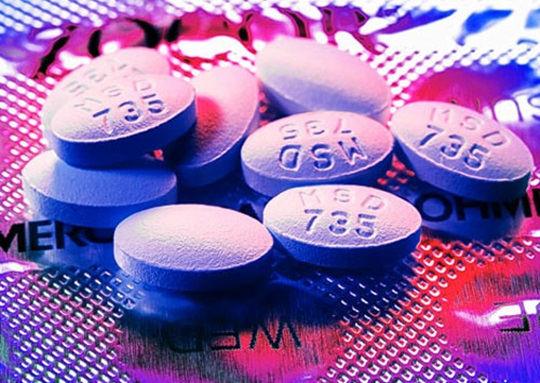
simvastatin-zocor-blue-pink
A statin is a lipid-lowering agent and although the mechanism is not fully understood or agreed upon by the medical professionals – statins do appear to lower cholesterol. However is the lowering of cholesterol beneficial in reducing heart mortality and what are some of the consequences of lowering cholesterol? This is my personal experience and I do not wish to contradict or undermine those people who tirelessly work towards lowering cardiovascular disease.

My husband Brian and I live in Auckland, New Zealand. Brian was an active person who enjoyed walking, swimming, writing and watching sport. He had solid computer skills in his job with a major airline and was responsible for paying about 700 staff. Brian was a good communicator and was extremely thorough and analytical in his work. He was able to do complex equations in his head and prided himself on accuracy. Honesty and confidentially were key to this job. He also contributed short stories to books held in the National Library and enjoyed looking forward to planned holidays.

That was until a weekend in June 2002 when our lives changed forever. On May 1st 2002 Brian started taking a statin prescribed by a cardiologist based on Brian’s family history and not his health. The cardiologist agreed he was physically fit and did not otherwise meet the criteria for a statin. No blood tests were taken.
Several weeks later Brian became seriously ill with a life threatening event we now know is called rhabdomyolysis which means his muscle tissue melted. This caused acute renal failure. Our GP did not recognize the symptoms which included severe pain in the right flank, frequent vomiting, nausea, no urine output, confusion and weakness.

The GP did not feel it was necessary to do blood tests until pressured by me to do so. When the test results showed Brian had renal failure the doctor’s response was to get Brian to drink a further 4 litres of water. This exacerbated the already dangerous situation. It was 5 days after the initial onset of these symptoms before Brian was hospitalized.

Caused by Simvastatin
Once hospitalised at North Shore Hospital the doctors examined Brian and confirmed the renal failure due to the statin. Neither of us understood most of what was said but were grateful for their help. Brian was transferred to the renal unit at Auckland Hospital and started dialysis. This was now 7 days after the onset of symptoms.
During the course of his treatment both in the hospital and as an outpatient, Brian and I mentioned his weakness, pain, nausea, tingling sensations in many of his muscles, fatigue and frequency in urinating once his kidneys started working again. The list also included urinary incontinence, impotence, confusion, tiredness, widespread discomfort, nightmares, anxiety, thumping headaches and an inability to seize and understand facts.

While he was on dialysis Brian had what we were told 3 years later was a stroke. Neurologists have told us this was due to the extreme stress his body was under in addition to the toxicity from the statin.

Reporting the Problem
Mandatory reporting of adverse reactions is not required in NZ, so I gave the information to the Centre for Adverse Reactions in Dunedin and it was also recorded at the WHO database by Merck Sharp and Dome.
Brian remained on dialysis for some time and eventually his kidney function returned but he remained very ill and was unable to do much without assistance.

Getting Compensated
In New Zealand we have a compulsory accident cover. It is called the Accident Compensation Corporation. ACC is the sole and compulsory provider of accident insurance for all work and non-work injuries. The ACC Scheme is administered on a no-fault basis, so that anyone, regardless of the way in which they incurred an injury, is eligible for coverage under the Scheme. Due to the Scheme’s no-fault basis, people who have suffered personal injury do not have the right to sue an at-fault party, except for exemplary damages.

ACC  accepted our claim that Brian had a medical misadventure and he was assured by his case manager at ACC that any future treatment relating to his injury – for the duration of his life would be covered by ACC. This was in 2002.

ACC provided support with speech language therapists, physiotherapists, psychologists and ongoing treatment from muscular skeletal specialists.

When Brian did not make a full recovery he was retired from his employment and I left my full time job to assisted Brian with day to day tasks like showering and getting dressed. Making decisions were now often difficult for him, he was easily confused about what was required of him and exhausted much of the day. Logging in to a computer was much too hard for him and driving was initially impossible. Brian had become very vulnerable and emotional often weeping with fear and frustration at his inability to move on with his life.
I read as much as I could about rhabdomyolysis and muscle damage. We changed our diet to include far more vegetables, eliminated processed foods and reduced carbohydrates and under medical advice from overseas doctors I included – CoQ10, Omega 3, and magnesium.

I was also really concerned to find thousands of others world wide had been damaged by statins. I had information from the Centre of Adverse Reactions in Dunedin in 2010 which said 11 people in NZ have died fromsimvastatin and there are over 30 reports of rhabdomyolysis  in their database. I didn’t ask about other statins. It is my belief that ACC and in general, the medical profession and pharmaceutical companies would prefer these statistics were not made public.

Compensation Quicksands
The first eight years after the adverse reaction were really hard for Brian and he has shown courage and determination to be the best he can. Many of the original symptoms from 2002 became more manageable but he still suffers from ongoing pain and is limited in his capacity to function fully in society. Until 2009 ACC was very supportive so we could concentrate on Brian’s rehabilitation.

However since 2009, ACC has continued to strive to ‘prove’ he didn’t have an adverse reaction to the statin or the symptoms from the statin injury are spent or most frustratingly that the symptoms are all age related or pre-existed 2002.

Over the next two years he was sent for assessment after assessment, in total around 15. Each assessment leaves him exhausted and traumatised. He was compelled to attend each appointment in order to preserve his entitlements with the ACC. Brian battled on and almost every specialist agreed with the original diagnosis. However it took just one report challenging the original diagnosis to determine that the effects of the injury were now spent. As a consequence Brian has now had his entitlements suspended.

This has directly impacted on our relationship and health. At times, both of us have felt we could not face one more day of this additional pressure. Brian’s nightmares and anxiety have become more regular and his speech and confidence in communicating with people has deteriorated as he has to endure the retelling of details of the original injury and subsequent illness to medical assessors contracted by ACC.

In 2012 we opted for Brian to have a muscle biopsy to ‘show’ he had long standing damage from the statin. The results did not show any mitochondrial damage but did show cell hypertrophy. The muscular skeletal specialist has explained that essentially the muscle cells which survived the rhabdomyolysis became super big and have contributed to the body wide discomfort.

Brian has also had a blood test to see if he had any genes that could predispose him to statin-induced myotoxicity. But he was negative for these tests.

Was it Needed?
To our knowledge Brian had no pre-existing health disorders, he didn’t have diabetes or any cardiovascular disease. But his father, mother and brother had all had heart attacks. So it is reasonable to assume that taking a statin to lower cholesterol would be just the thing for Brian. This is what the advertisements say. This is what the doctors say – at least the ones who haven’t read the impartial reports about cardiovascular disease and mortality.

It is strange then to think that Brian’s mother was on a statin but still had a heart attack.
His younger brother was on a statin for years and developed a heart problem and later had a heart attack and triple bypass and he is still on high doses of a statin. He has also developed diabetes.

Does Cholesterol Need to be Lowered?
Maybe lowering cholesterol isn’t the answer. Many well known doctors and researchers are bold enough to query the statistics provided by the pharmaceutical companies. And to their credit many doctors we have dealt with over the last 11 years have been very supportive and for that we would like to thank them.

Could it be that inflammation or other factors cause atherosclerosis? Is animal fat relevant? Does a diet full of processed foods affect our heart? Would we be better with a diet rich in olive oil and fish? Physicians, scientists and science writers are debating these issues. Having a debate about it is good. It’s a start. Our goal should be to reduce disease but not at the risk of damaging other parts of the body. Nobody should have to go through what we go through every day.

Persisting and unresolved damage from the statin injury has remained a problem for Brian, but we must also endure ongoing legal battles with ACC to ensure his Claimant Rights are being met.

There are still too many doctors and health professionals who are not willing to look at drug side effects, overall risk versus benefit and most importantly the need to remember the Hippocratic Oath: ‘I will prescribe regimens for the good of my patients according to my ability and my judgment and never do harm to anyone.’
–
Heather’s article originally appeared at RxISK.org. Clicking here will not only link to the original article but also comments by others who suffered serious health issues after being prescribed statin drugs.
You can also report a drug side effect and get a free RxISK Report here.
—


Anthony Colpo is an independent researcher, physical conditioning specialist, and author of The Fat Loss Bibleand The Great Cholesterol Con. For more information, visit TheFatLossBible.net orTheGreatCholesterolCon.com
Copyright © Anthony Colpo.
Disclaimer: All content on this web site is provided for information and education purposes only. Individuals wishing to make changes to their dietary, lifestyle, exercise or medication regimens should do so in conjunction with a competent, knowledgeable and empathetic medical professional. Anyone who chooses to apply the information on this web site does so of their own volition and their own risk. The owner and contributors to this site accept no responsibility or liability whatsoever for any harm, real or imagined, from the use or dissemination of information contained on this site. If these conditions are not agreeable to the reader, he/she is advised to leave this site immediately.
=============================================================================================
Read the complete article here.

Saturday, August 4, 2012

Adverse Drug Reports for Lipitor ( atorvastatin ) - Graveline

Spacedoc has just sent out its Aug 4th Newsletter titled
"Adverse Drug Reports for Lipitor ( atorvastatin ) - 1997 to May, 2012" which can be seen here. I recommend it and lots of other good information on his site.

Thursday, May 31, 2012

More statin shenanigans


mouth full of pills

If you read the papers or watch the news you’ve probably heard about the recently published JUPITER study, advertised with bold headlines such as “Cholesterol drug causes risk of heart attack to plummet” and “Cholesterol-fighting drug shows wider benefit”. If you’ve been following this blog (and perhaps even if you haven’t), you are by now aware that such claims cannot be taken at face value.

You might suspect, for example, that the study was sponsored by a drug company and authored by researchers with financial interests tied to those drug companies. You might wonder if these associations could possibly – just possibly – influence not only the results of the study, but how those results are reported. You might also find yourself questioning the objectivity of a study with the title “Justification for the Use of Statins in Prevention: an Intervention Trial Evaluating Rosuvastatin” (JUPITER).

If you’re asking yourself these questions, you are definitely on the right track. The study was indeed sponsored by a drug company, AstraZeneca. And each author of this study received money in the form of grants, consulting fees and honoraria from pharmaceutical companies – in some cases up to twelve different companies, including AstraZeneca, the study sponsor. Take a look at this list detailing the financial interests of the study authors (now required by the New England Journal of Medicine and other prominent publications):

Dr. Ridker reports receiving grant support from AstraZeneca, Novartis, Merck, Abbott, Roche, and Sanofi-Aventis; consulting fees or lecture fees or both from AstraZeneca, Novartis, Merck, Merck–Schering-Plough, Sanofi-Aventis, Isis, Dade Behring, and Vascular Biogenics; and is listed as a coinventor on patents held by Brigham and Women’s Hospital that relate to the use of inflammatory biomarkers in cardiovascular disease, including the use of high-sensitivity C-reactive protein in the evaluation of patients’ risk of cardiovascular disease. These patents have been licensed to Dade Behring and AstraZeneca. Dr. Fonseca reports receiving research grants, lecture fees, and consulting fees from AstraZeneca, Pfizer, Schering-Plough, Sanofi-Aventis, and Merck; and Dr. Genest, lecture fees from AstraZeneca, Schering-Plough, Merck–Schering-Plough, Pfizer, Novartis, and Sanofi-Aventis and consulting fees from AstraZeneca, Merck, Merck Frosst, Schering-Plough, Pfizer, Novartis, Resverlogix, and Sanofi-Aventis. Dr. Gotto reports receiving consulting fees from Dupont, Novartis, Aegerion, Arisaph, Kowa, Merck, Merck–Schering-Plough, Pfizer, Genentech, Martek, and Reliant; serving as an expert witness; and receiving publication royalties. Dr. Kastelein reports receiving grant support from AstraZeneca, Pfizer, Roche, Novartis, Merck, Merck–Schering-Plough, Isis, Genzyme, and Sanofi-Aventis; lecture fees from AstraZeneca, GlaxoSmithKline, Pfizer, Novartis, Merck–Schering-Plough, Roche, Isis, and Boehringer Ingelheim; and consulting fees from AstraZeneca, Abbott, Pfizer, Isis, Genzyme, Roche, Novartis, Merck, Merck–Schering-Plough, and Sanofi-Aventis. Dr. Koenig reports receiving grant support from AstraZeneca, Roche, Anthera, Dade Behring and GlaxoSmithKline; lecture fees from AstraZeneca, Pfizer, Novartis, GlaxoSmithKline, DiaDexus, Roche, and Boehringer Ingelheim; and consulting fees from GlaxoSmithKline, Medlogix, Anthera, and Roche. Dr. Libby reports receiving lecture fees from Pfizer and lecture or consulting fees from AstraZeneca, Bristol-Myers Squibb, GlaxoSmithKline, Merck, Pfizer, Sanofi-Aventis, VIA Pharmaceuticals, Interleukin Genetics, Kowa Research Institute, Novartis, and Merck–Schering-Plough. Dr. Lorenzatti reports receiving grant support, lecture fees, and consulting fees from AstraZeneca, Takeda, and Novartis; Dr. Nordestgaard, lecture fees from AstraZeneca, Sanofi-Aventis, Pfizer, Boehringer Ingelheim, and Merck and consulting fees from AstraZeneca and BG Medicine; Dr. Shepherd, lecture fees from AstraZeneca, Pfizer, and Merck and consulting fees from AstraZeneca, Merck, Roche, GlaxoSmithKline, Pfizer, Nicox, and Oxford Biosciences; and Dr. Glynn, grant support from AstraZeneca and Bristol-Myers Squibb. No other potential conflict of interest relevant to this article was reported.
 
Now, the fact that these researchers receive money from all of these drug companies doesn’t mean that they are dishonest or that their data are invalid. However, if you think these conflicts of interest do not influence the outcomes of clinical research, then I suggest you read an article I published a few months ago called When It Comes To Drug Claims, Skepticism Is Healthy.

Now that you’ve put on your “Healthy Skeptic” goggles, we can move on and more closely examine the study itself. There are several things you need to be aware of as we discuss it.

First, although the press articles claim that the study looked at statin use in healthy populations, the subjects were people who had normal cholesterol but high CRP levels. CRP, or C-Reactive Protein, is a measure of inflammation in the body. It is now widely accepted even in the mainstream medical community that inflammation is a major risk factor for heart disease. And because inflammation is a sign of an underlying disease process, these patients were not, in fact, “healthy” as claimed.

There is little doubt that statins reduce inflammation, which can help prevent atherosclerosis. It appears that the benefits of statins are mainly due to this characteristic, rather than to their cholesterol-lowering effects. So it’s no surprise that the statins reduced rates of heart disease and mortality in this population that had inflammation going into the study.

I should also mention, however, that the predictive value of CRP for heart disease is highly controversial. Though some studies show a correlation between high CRP levels and heart disease, many others do not. Many physicians feel that CRP is not a useful indicator in clinical practice.

The second thing you need to be aware of is the difference between relative and absolute risk reduction. Relative risk reduction (RRR) measures how much the risk is reduced in the experimental group compared to a control group. Absolute risk reduction (ARR) is just the absolute difference in outcome rates between the control and treatment groups.

To make this more clear, let’s consider an example. Say that 2000 people enter a study for a particular drug and 1000 of them are randomized to placebo. At the end of the study, one person in the drug group died versus two people in the placebo group. The relative risk reduction of the drug group would thus be 50% (0.002 – 0.001/0.002). That sounds really impressive! The headline for this study might read “New drug reduces chance of dying by 50%!”. While technically true, you can see how misleading this can be. Why? Because when most people read that headline, they will interpret it to mean that if they take that drug, their risk of dying will be reduced by 50%, which is not even close to being true.

The absolute risk reduction, on the other hand, is always a much more modest number. Using the same example above, the absolute risk reduction in the drug group would have been a paltry one-tenth of a percent, or 0.1% (0.002 – 0.001). That’s not a very catchy headline, is it? “New drug reduces risk of dying by one-tenth of a percent”. It just doesn’t grab you the same way. But this is actually a more realistic view of what happened in the study and what we could expect to happen in the real world.

In fact, one could just as accurately say that in this hypothetical study, a patient has a 1-in-1000 (0.1%) chance of their life being saved by the drug. Said another way, 1,000 patients would have to be treated with this drug in order to save a single life. This measurement is called the Needed Number to Treat, and is another means for interpreting the results of clinical trials.

With that in mind, let’s examine the data from the JUPITER study. The actual numbers were 198 deaths out of 8901 in the statin group and 247 deaths out of 8901 in the placebo group. The relative risk reduction for total mortality (deaths) in the drug group was 19.8% [(247/8901 - 198/8901) / (247/8901)]. That means that the risk of death for people taking Crestor was 19.8% smaller than those taking placebo.

But what happens when we look at the absolute risk reduction numbers? According to the data, 2.77% (0.02774) of people taking the placebo died after two years versus 2.24% (0.02224) of people taking Crestor. This amounts to a difference of 0.55%, or one-half of one percent.

Here’s a graphical illustration of the difference in mortality between the Crestor and placebo group:
jupiter graph
If you’re having trouble making much of a difference, I don’t blame you!

To make this even more clear, let’s use the Needed Number to Treat method of evaluating these results. According to the study data, 182 people would have to be treated with Crestor for two years in order to save a single life.

Now that may not sound like a large number to you, especially if yours was one of the lives saved. However, when evaluating the viability of any potential treatment three considerations (above and beyond the efficacy of the treatment) must be taken into account: cost, side effects, and alternatives.

Let’s look at cost first. The cost of one patient taking Crestor for one year is approximately $1,300. Therefore, to prevent 49 deaths 8,901 people would have to take Crestor for two years at a cost of $23 million dollars. That is an enormously expensive treatment by any measure.

Second, this particular study did not register significant side effects in the statin group. This is very fishy, though, since nearly every other study on statins to date has shown significant side effects and the approval of Crestor itself was delayed by the FDA due to concern about Crestor side effects.

While all statins are associated with rare instances of rhabdomyolysis, a breakdown of muscle cells, Crestor had shown in studies before its approval that the potentially deadly disease had surfaced in seven people. Crestor’s potential muscle- and liver-damaging side effects become more worrisome and difficult to justify in patients who are essentially healthy.

What’s more, the study only lasted two years. That’s not long enough to adequately establish safety for the drug, especially if people are going to use it “preventatively”, which means they could be taking it for several years and even decades. Statins have caused cancer in every single animal study to date. Since cancer can take up to 25 years to develop after initial exposure to the carcinogen, we simply cannot know at this point that statins won’t also significantly increase the risk of cancer in adults.

Finally, before jumping on the statin bandwagon and recommending that we spend billions of dollars treating healthy people with Crestor, we should consider if there isn’t a less costly and risky way of preventing deaths due to inflammation and heart disease.

Wouldn’t you know it, there sure is!

For the last decade medical research has increasingly demonstrated that heart disease is caused not by high cholesterol levels, but by inflammation and oxidative damage. A full explanation of these mechanisms is beyond the scope of this post, but for more details you can read two previous articles: Cholesterol Doesn’t Cause Heart Disease and How To Increase Your Risk of Heart Disease.

So, if we want to prevent and even treat heart disease, we need to address the causes of inflammation and oxidative damage. Again, there’s not room to go into great detail on this here but in general the primary causes of inflammation and oxidative damage are 1) a diet high in polyunsaturated oil (PUFA) and refined flour and sugar, 2) lack of physical activity, 3) stress and 4) smoking.

We can thus prevent heart disease by avoiding PUFA and refined/processed food, getting adequate exercise, reducing stress and not smoking. These simple dietary and lifestyle changes are likely to produce even better results than a statin, for a fraction of the cost and without any side effects. In fact, the only side effects of this approach are improved physiological and psychological health! For more specific recommendations, read my article Preventing Heart Disease Without Drugs.

Taking a statin to “prevent” inflammation and heart disease is rather like bailing water with a pail to prevent a boat from sinking instead of simply plugging the leak. Unfortunately, our entire health care system is oriented around “bailing water with a pail”, which is to say treating the symptoms of disease, instead of “plugging the leak”, or addressing the causes of disease before it develops. The reason this is the case is because there’s a lot more money to be made from drugs, surgery and other costly interventions than there is from encouraging people to eat well, exercise and reduce stress.

Even if we ignore all of the issues I’ve pointed out above, the best thing we can say about this study is that a small group of unusual patients – those with low LDL-cholesterol AND high C-reactive protein – may slightly decrease their risk for all-cause mortality by taking a drug that costs them almost $1,300 per year and slightly increases their risk for developing diabetes.

That’s the best spin possible given the data from this study. Compare that to the mainstream media headlines, and you’ll have a clear understanding of how financial conflicts of interest are seriously damaging the integrity and value of clinical research.

At least the media wasn’t completely fooled. They did manage to at least include the perspective of sane doctors who questioned the desirability of millions of relatively healthy people taking drugs for the rest of their lives. According to the Wall Street Journal:
Moreover, despite large relative benefits, the actual number of patients helped was small. Those on the drug suffered 142 major cardiovascular events compared with 251 on placebo, a difference of 109. Dr. Hlatky said that raises questions about the cost-effectiveness of CRP screening and the value of putting millions of low-risk patients on medication for the rest of their lives.
From the New York Times:
Some consumer advocates and doctors raised concerns about the expense of putting relatively healthy patients on statins, which would cost the health system billions of dollars.
From Fox News:

About 120 people would have to take Crestor for two years to prevent a single heart attack, stroke or death, said Stanford University cardiologist Dr. Mark Hlatky. He wrote an editorial accompanying the study published online by the New England Journal of Medicine.

“Everybody likes the idea of prevention. We need to slow down and ask how many people are we going to be treating with drugs for the rest of their lives to prevent heart disease, versus a lot of other things we’re not doing” to improve health, Hlatky said.
If you know of someone who is considering a statin after reading about the JUPITER study, please do them a favor and send them a link to this article first. They should hear both sides of the story before making such a significant decision.
==============================================================
Read the full article here.

Wednesday, April 18, 2012

Risk of high-dose simvastatin


Risk of high-dose simvastatin

April 17, 2012 Michael O'Riordan
 
Seattle, WA - Statins were responsible for rhabdomyolysis in 7.5% of patients diagnosed with the skeletal muscle condition, according to a review of International Classification of Disease, Ninth Edition (ICD-9) codes from a large nonprofit healthcare system in Seattle, WA.

Publishing their findings as a letter to the editor in the Journal of the American Medical Association, Dr James Floyd (University of Washington, Seattle) and colleagues also confirmed a significantly higher risk of rhabdomyolysis in patients treated with high doses of simvastatin.

Incidence rates of statin-related rhabdomyolysis
StatinPerson-years of useValidated rhabdomyolysis cases, nIncidence rates per 100 000 person-years
Simvastatin <20 mg/d21 83200
Simvastatin 20-39 mg/d75 08245.3
Simvastatin 40-79 mg/d56 703814.1
Simvastatin >80 mg/d16 876164.8
All doses170 6052313.5
Other statins116 5465.2
All statins286 7562910.1

In total, 22 cases of statin-related rhabdomyolysis were validated among 292 statin users with an ICD-9 code for rhabdomyolysis (positive predictive value 7.5%). Seven other patients were confirmed as having statin-related rhabdomyolysis using other criteria. Overall, the risk of rhabdomyolysis was significantly elevated among patients treated with simvastatin. The incidence rate ratio (IRR) for simvastatin compared with other statins was 2.61 (95% 1.03-7.84) using all validated cases of rhabdomyolysis.

"These results confirm in a community setting findings from a recent clinical trial that prompted the US Food and Drug Administration to issue a warning about the use of high-dose simvastatin," write the researchers.

Source
  1. Floyd JS, Keckbert SR, Weiss SR, Carrel DS, Psaty BM. Use of administrative data to estimate the incidence of statin-related rhabdomyolysis. JAMA 2012; 307:1580-1583.
=====================================================================Read the full article here.

Thursday, June 23, 2011

Statin drugs are associated with decreased myocardial function

Two recent articles highlight the fact that statin drugs are associated with decreased myocardial function.
Statin use is known to be associated with myopathy, muscle weakness and rhabdomyolysis, a breakdown of muscle fibers resulting in the release of muscle fiber contents into the bloodstream. For the study, myocardial function was evaluated in 28 patients.
According to Green Med Info:
“There was significantly better function noted … in the control group vs the statin group”.
============================================================
From: http://www.greenmedinfo.com/toxic-article/statin-therapy-decreases-myocardial-heart-function
------------------

Statin therapy decreases myocardial (heart) function.

Abstract Title:
Statin therapy decreases myocardial function as evaluated via strain imaging.
Article Link:
Article Source:
Pubmed
Abstract Author(s):
Feras Aloka, George S Abela, Jack Rubinstein
Article Affiliation:
Cardiology Division, Department of Medicine, Michigan State University, East Lansing, MI 48824, USA.
Abstract:
OBJECTIVES: The purpose of this study was to evaluate the effects of statin therapy on myocardial function as measured with echocardiography with tissue Doppler imaging (TDI) and strain imaging (SI) independent of its lipid-lowering effect. BACKGROUND: Statin use is known to improve outcomes in the primary and secondary prevention of ischemic heart disease, but their use is also associated with myopathy, muscle weakness and in rare cases, rhabdomyolysis. We sought to evaluate whether TDI and SI is able to identify changes in myocardial function associated with statin use. METHODS: Myocardial function was evaluated in 28 patients via echocardiography with TDI and SI. We identified 12 patients (5 females) without overt cardiovascular disease (including hypertension, smoking, and diabetes) that were on statin therapy and compared their echocardiographic findings with 16 (12 females) age, sex, and cholesterol-profile-matched controls. Tissue Doppler imaging parameters of diastolic (E(')/A(') and E/E(')) and systolic (S') function were measured. Regional systolic function was obtained by SI in 4-chamber, 2-chamber, long axis, and average global views. RESULTS: There was no significant difference in myocardial function as measured by Doppler and minor differences as measured via TDI among the 2 groups. There was significantly better function noted with SI in the control group vs the statin group in the 4-chamber (-19.05% +/- 2.45% vs -16.47% +/- 2.37% P = 0.009), 2-chamber (-20.30% +/- 2.66% vs -17.45% +/- 4.29% P = 0.03), long axis (-17.63% +/- 3.79% vs -13.83% +/- 3.74% P = 0.01), and average global (-19.0% +/- 2.07% vs -15.91% +/- 2.81% P = 0.004) views. CONCLUSION: Statin therapy is associated with decreased myocardial function as evaluated with SI.
Study Type : Human Study
Toxic Ingredients : Statin Drugs
=======================================================
From: http://www.ncbi.nlm.nih.gov/pubmed/20027659
-----------------------------
Clin Cardiol. 2009 Dec;32(12):684-9.

Statin therapy decreases myocardial function as evaluated via strain imaging.

Source

Cardiology Division, Department of Medicine, Michigan State University, East Lansing, MI 48824, USA.

Abstract

OBJECTIVES:

The purpose of this study was to evaluate the effects of statin therapy on myocardial function as measured with echocardiography with tissue Doppler imaging (TDI) and strain imaging (SI) independent of its lipid-lowering effect.

BACKGROUND:

Statin use is known to improve outcomes in the primary and secondary prevention of ischemic heart disease, but their use is also associated with myopathy, muscle weakness and in rare cases, rhabdomyolysis. We sought to evaluate whether TDI and SI is able to identify changes in myocardial function associated with statin use.

METHODS:

Myocardial function was evaluated in 28 patients via echocardiography with TDI and SI. We identified 12 patients (5 females) without overt cardiovascular disease (including hypertension, smoking, and diabetes) that were on statin therapy and compared their echocardiographic findings with 16 (12 females) age, sex, and cholesterol-profile-matched controls. Tissue Doppler imaging parameters of diastolic (E(')/A(') and E/E(')) and systolic (S') function were measured. Regional systolic function was obtained by SI in 4-chamber, 2-chamber, long axis, and average global views.

RESULTS:

There was no significant difference in myocardial function as measured by Doppler and minor differences as measured via TDI among the 2 groups. There was significantly better function noted with SI in the control group vs the statin group in the 4-chamber (-19.05% +/- 2.45% vs -16.47% +/- 2.37% P = 0.009), 2-chamber (-20.30% +/- 2.66% vs -17.45% +/- 4.29% P = 0.03), long axis (-17.63% +/- 3.79% vs -13.83% +/- 3.74% P = 0.01), and average global (-19.0% +/- 2.07% vs -15.91% +/- 2.81% P = 0.004) views.

CONCLUSION:

Statin therapy is associated with decreased myocardial function as evaluated with SI.

PMID:

 
20027659
 
[PubMed - indexed for MEDLINE]

Sunday, August 16, 2009

What makes statins so dangerous?

In his popular newsletter, Dr. Mercola provides this analysis of the ubiquitous, cure all statin drug and the stance by the Mayo clinic.


What You Need to Know About Cholesterol in Order to Understand the Dangers of Statins


Statin drugs work by preventing the formation of cholesterol, and reduce LDL cholesterol, which is considered the "bad" cholesterol.

There is no argument that these drugs do work very well at lowering your cholesterol levels. However, was has not been proven is that they significantly lower your risk of dying from heart disease. In no way, shape or form, do they treat the cause of your problem. They are nothing more than a toxic band-aid.

So just what makes statins so dangerous, and why are they not the answer for managing your cholesterol levels?


First you need to understand the biological workings of cholesterol.


In fact, there is no such thing as “good” or “bad” cholesterol. Both HDL and LDL
cholesterol perform vital functions in your body, which is why it’s actually
dangerous to bring your LDL levels down too low.


HDL (high density lipoprotein) and LDL (low density lipoprotein) are actually proteins that transport the cholesterol to and from your tissues.

Cholesterol in turn is a precursor to steroid hormones. For example, you can’t make testosterone or estrogen, cortisol, DHEA or pregnenolone, or a multitude of other steroid hormones that are necessary for health, without cholesterol.


Even more importantly, your cells cannot regenerate their membranes without it. The reason you have LDL to begin with is to transport the cholesterol to the tissues in order to make new cells and repair damaged ones.

However, there are different sizes of LDL particles and it’s the LDL particle size that is relevant, and statins do not modulate the size of the particles. Unfortunately, most people don’t know about that part, and very rarely, if ever, get tested for particle size.


The particles are sticky, so very small LDL’s can easily get stuck in different areas, and the build-up eventually causes inflammation and damage.

The only way to make sure your LDL particles are large enough to not cause damage is through your diet. In fact, it’s one of the major functions of insulin.

Conveniently enough, a healthy diet is also the answer for type 2 diabetes, so by focusing on what you eat, you’re treating both your diabetes and your cholesterol levels, and reducing your associated risk of heart disease.

If you eat properly, which is really the only known good way to regulate LDL particle size, then it does the right thing; it takes the cholesterol to your tissues, the HDL takes it back to your liver, and no plaque is formed.


The second thing you need to know is that statins work by reducing the enzyme that causes your liver to make cholesterol when it is stimulated by high insulin levels.

Again, you can achieve the same, or better, result by simply reducing your insulin levels by eliminating sugar and most grains, which is also what you need to do to successfully address type 2 diabetes.

Read the complete article here. Thank you Dr Mercols for a clear, concise explanation.


Friday, November 28, 2008

Crestor, Jupiter, CRP and Heart Attack Prevention

A quote from Dr Dach's news letter.

Only 4 short years ago, November 18, 2004, FDA Director of Drug Safety David Graham shook the pharmaceutical word with testimony to the senate finance committee in which he named Crestor as a "bad drug" that should be banned. Here is one of many news reports about Dr. Graham and Crestor:
Concern about drug safety doesn't stop with Vioxx by Rita Rubin, USA TODAY 11/22/2004 "Crestor. This cholesterol drug has drawn regulators' attention in Europe and Canada. At the Senate hearing, Graham said Crestor is the only statin drug that causes kidney failure. And, he said, it carries a higher risk of rhabdomyolysis than any other statin. Rhabdomyolysis is a potentially fatal muscle complication that benched another statin, Baycol, in 2001."
Please check out his well documented newsletter here and be sure to also check the links within the quote above!

Thursday, August 30, 2007

Cholesterol lowering statin drugs and Cancer!

Today I came across an article in Medical News Today (http://www.medicalnewstoday.com/) in the section under the Main Category: Cholesterol News which re-opened my eyes to the scary connection between statin drugs and cancer. I've linked to the full article under Credible Evidence.

The first paragraph of this article states the following:


"Statins, a type of LDL cholesterol-lowering drug, were recently shown to have a significant, positive association with newly diagnosed cancer cases. When newly diagnosed cancer cases were correlated with cholesterol reduction, a disturbing significant correspondence was found, and recently published as, "Effect of the Magnitude of Lipid Lowering on Risk of Elevated Liver Enzymes, Rhabdomyolysis, and Cancer, by Alsheikh-Ali, et al., in Journal of the American College of Cardiology (Vol. 50, No. 5, 2007, pages 409-418)."

So I ask "Would you rather die of a Heart Attack or from Cancer?" Of course if we had our druthers we'd likely all say 'NEITHER' Right? Well think about it for a moment then answer.

And If I was a betting man I'd bet this won't make the big time news.

Furthermore it's not even new news.


The PROSPER trial found a 25% increase in newly diagnosed cancers among elderly individuals treated with pravastatin (Pravachol). There were 24 more deaths from cancer to more than offset the 20 fewer deaths due to coronary heart disease. This had also been observed in animal tests earlier with one of the highest increases observed in the gastrointestinal cancers. And who should be suprised that the PROSPER authors dismissed these findings by referring to pooled analysis which showed no statistically significant difference in cancer incidence between placebo and statin groups. The PROSPER trial did not even include skin cancer. Two others did however, the Scandinavian Simvastatin Survival Study (4S) and the HPS simvastatin trial. They both noted an increase in skin cancer. And in the CARE trial 12 women taking pravastatin developed breast cancer whereas only one in the placebo group developed breast cancer.

Other quotes from the Medical News Today article :


"Following the adage, "lower is better," intensive LDL cholesterol lowering has been practiced by physicians on their patients throughout America since 1987, with Lovastatin and more recently with a new generation of statins."

"With statin use, the increase in cancer deaths offset (counteract) the lower cardiac mortality associated with lower cholesterol, resulting in a neutral effect of overall mortality. TRANSLATION: With statins, you don't die of a heart attack, instead, you die of cancer."

Well now that you've thought about it would you die of a heart attack or of cancer?

A side note that makes this a bit personal for me:
  • I was on cholesterol lowering statins for roughly 20 years beginning in the mid 1980s. I finally discontinues taking statins sometime in 2004

  • In 1994 (with low cholesterol) I had a heart attack resulting in open heart surgery.

  • P.S. Five subsequent heart attacks (most recent Jan 31, 2012), three requiring stents - all while having well below 'their recommended' serum cholesterol readings. (added this item Oct 8, 2007)

  • In 2003 I had a fist sized gastrointestinal cancerous tumor removed along with about 9 inches of my small intestine.

  • I've had one basal cell carcinoma (skin cancer) surgically removed about 3 years ago.


  • I personally have no data to tie these events in my life together.


  • I feel good now - like none of the above had happened. It almost seems surreal. But I've had five subsequent heart attacks - three with stents and there is some possibility that the cancer could reappear.

Something is going to get me sooner or later.

What will it be?
I'd pick the heart attack over cancer.


Am I worried? NO!

Because I believe the words of this hymn:


I know not why God's wondrous grace to me he hath made known,
nor why, unworthy, Christ in love redeemed me for his own.

But I know whom I have believed, and am persuaded that he is able
to keep that which I've committed unto him against that day.

I know not how this saving faith to me he did impart,
nor how believing in his word wrought peace within my heart.

I know not how the Spirit moves, convincing us of sin,
revealing Jesus through the word, creating faith in him.

I know not when my Lord may come, at night or noonday fair,
nor if I walk the vale with him, or meet him in the air.

But I know whom I have believed, and am persuaded that he is able to keep that which I've committed unto him against that day.

Monday, August 27, 2007

Protect Your Family from Bad Drugs

In Dr. Jeffrey Dach's newsletter bearing the title above he begins with the following:

Over the last 30 years, 20 per cent of drugs approved by the FDA were classified as “BAD Drugs”, meaning that they were later withdrawn from the market or given a black box warning.
...
How can you tell if you are dealing with a BAD DRUG? Here are the early warning signs:
1) The drug has been recalled or given a black box warning.
2) The drug is in litigation with numerous lawsuits against the drug company.
3) The drug has been banned in other countries.

It is worth checking out his links to "black box" drugs, "Recalled or Banned drugs", "Consumer Reports listing of risky drugs", and "Drugs in Litigation".

Of note, at least to me, in his "short list of drugs currently in litigation" are the three Anti-Cholestrol Statin Drugs, Baychol, Lipitor, and Crestor. Why these? Well, I've been on two of them - Baychol and Lipitor. My experience with these two are good and bad.

The good: I was only on Baycol for a very short time (five days) before it was removed from the market. Many suffered severe side effects from Baychol including 385 nonfatal cases of rhabdomyolysis and 52 deaths.

The bad: I was on Lipitor and suffered painful muscle aches (a precursor to rhabdomyolysis). This resulted in the Dr's switching me to other statin drugs resulting in similar side effects (and as noted above one of those was Baycol). I ended up being on statins for most of 20 years bowing to the conventional wisdom in the medical and drug industry that it is better than the almost certain alternative - a heart attack (sometimes referred to in my presence as a 'widow maker'). Not wanting that inevetibility I obediently followed the statin trail to prevent cholesterol from doing me in. What a good doobee I was! I was such a good doobee that my serum cholesterol was always below the ever decreasing deadly level. Boy was I glad! And it kept my doctors from having a coronary should they see what my lipids normally gravitated to.

More bad: In July of 1994 at the age of 51, with a cholesterol well below 100, I was blessed with a myocardial infarction or MI (commonly referred to as a heart attack). The fact that I'm writing this reveals that it was not of the 'widow maker' genus. Just in the nick of time they did a CABG (Coronary Artery Bypass Graft) ripping an extra vein from my leg to replace the offending one on the wall of my heart, or at least bypassing it. Whew! Think of how much worse it could have been had I not been drugging my lipids low enough.

And more bad: I had four subsequent MIs three of them resulting in percutaneous coronary intervention (PCI) accompanied by inserting an expandable wire mesh tubes to prop open arteries which had been obstructed (also called a stent). And just think how much worse it could have been had I not been drugging my lipids low enough.

Oh yeah! Another bad: I also am a cancer survivor. Seems totally separate from the rest and maybe it is. Then again, I came across one of the statin drug trials which did show a decrease in mortality due to coronary artery disease (CAD) resulting from, presumably taking the statin drug. And the summary or conclusion along with the 'in unison chorus' from the press, loudly stated that. BUT... that trial showed an overall mortality rate higher when you included all death causes. Yup you guessed it. There were more deaths due to cancer in the intervention group that took statins than in the control group taking the placebo. OOps! And not so loudly chorused was this un-interesting bit of data cuz afterall they were trying to show how statins reduce CAD and it appeared to show exactly that.

What have I learned through all this? Since I began to ask questions and began to read some pretty heavy stuff (a sample included under "Credible Evidence" on the right), at least I've learned some big words but that's less impressive than learning to take a pro-active position on my health. I'm only a retired engineer not a medical professional. But I'm so much more informed than when I was being a 'good doobee'. The quest to be pro-active only began about two-three years ago and the informed experiment is still in progress. It's been a little over a year since my last MI and PCI and I really feel pretty good. That really means little since through the whole MI/PCI phase of my life I've never really felt that bad. I'm no longer on statins or anything else to lower my cholesterol. So what is it now after drugging it to in the 70's way back then? I don't know nor do I care. Why? Most of the answer to that is found in those cholesterol and diet articles cited under Credible Evidence, most of which come from medical journals or significant medical research which I continue to read.

Enough for now! But stay tuned if you want to learn some big words.